General
10 Things You Should Know Before Starting Content Creation
By Team DIRECTIV · · 6 min read
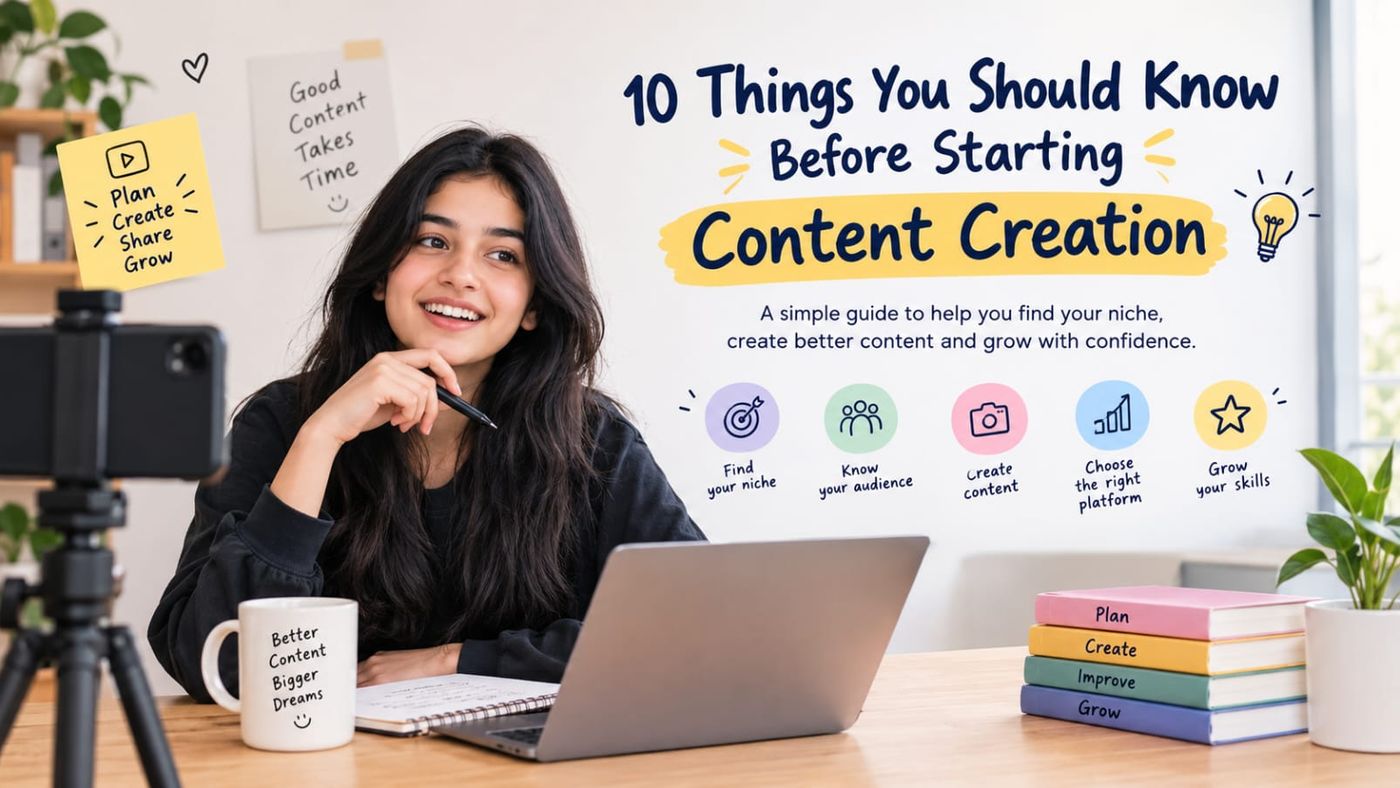
Want to start content creation but don't know where to begin? You may have ideas, but choosing a niche, deciding what to post, or making your first video can feel confusing.
The good thing is, you don't need to know everything before starting. But there are a few things you should understand first.
Here are 10 things to keep in mind before you start.
1. Experiment Before Choosing Your Niche
One of the first things people worry about is choosing the right niche. But the truth is, you don't always discover your niche by just thinking about what you like.
Start by exploring different topics. Create content around things that interest you, see what you enjoy making, and notice how people respond. With time, you will get a better idea of what works for you.
For example, Bhuvan Bam was performing as a singer before his comedy videos on BB Ki Vines became popular. His journey is a good reminder that your first plan doesn't have to decide your entire journey.
2. Understand Your Audience
Before creating content, think about who you want to reach. What are their interests? What problems do they face? What do they want to learn?
For example, if your audience is college students, you could create content about placements, communication skills, budgeting, or student life.
You don't need to make content for everyone. Start by understanding a particular audience and what might be useful to them.
3. Start With What You Have
You don't need an expensive camera, a studio, or professional equipment to begin. A smartphone, good lighting, and a quiet place can be enough.
In the beginning, focus more on what you're sharing than on having the perfect setup. You can improve your equipment as you grow.
And if you're unsure which skills to develop first, Directiv can help you identify your learning needs and get personalised guidance to build your content creation skills.
4. Keep a List of Content Ideas
Running out of ideas is common, especially when you're just starting. A simple way to avoid this is to keep a list of topics you can create content about.
Look at the questions people ask, comments on social media, and problems people discuss online. These can give you ideas for your next post or video.
For example, if people often ask how to prepare for placements, you could create separate posts on resumes, interviews, communication, and common mistakes students make.
5. Choose the Right Platform
Every platform works differently, so think about the type of content you want to create.
- Instagram: Short videos, reels, and visual content.
- YouTube: Videos, tutorials, and detailed explanations.
- Blogs: Written content that people can discover through search engines.
You don't have to start everywhere at once. Choose one platform, understand how it works, and start creating.
6. Be Consistent, Not Overwhelmed
You may feel that you need to post every day to grow. But if you're a student or have other responsibilities, that schedule might be difficult to maintain.
Instead, choose a posting schedule that works for you. You could start with two posts a week and increase it when you're comfortable.
The important thing is to keep learning and creating instead of getting overwhelmed and stopping altogether.
7. Learn to Communicate Your Ideas
Good content isn't only about having good ideas. It's also about explaining them in a way people can understand.
You don't need perfect English or complicated words. Focus on one clear idea, use simple language, and explain it in a way that feels natural.
Whether you're making a reel, writing a post, or recording a video, your audience should be able to understand what you're trying to say.
8. Don't Follow Every Trend
Trends can help your content reach new people, but that doesn't mean you need to follow every trend you see.
Choose trends that make sense for your content and add your own perspective. If a trend doesn't match your audience or the kind of content you want to create, it's okay to skip it.
The goal is not just to get views. It's also to give people a reason to remember your content.
9. Don't Wait to Become Perfect
Your first video might not look the way you imagined. You may feel awkward while speaking on camera, or your first few posts may not get many views.
That's normal. You learn by creating, noticing your mistakes, and trying again.
Instead of waiting until you feel completely ready, publish your content and improve with every attempt. You don't have to be perfect to begin.
10. Learn From Your Results
Once you start posting, pay attention to how people respond. Which topics get more engagement? Which videos do people watch for longer? What do they save, share, or comment on?
These signals can help you understand what your audience finds useful or interesting. But don't judge every post only by its views.
Try different formats, learn from the results, and make small improvements. Over time, this can help you understand your audience better.
Frequently Asked Questions
1. Which niche should I choose for content creation?
Start with topics that interest you, then experiment with different types of content. Notice what you enjoy creating, what you can explain well, and how people respond. Your niche can become clearer with practice.
2. Can I start content creation with no money?
Yes. You can begin with a smartphone, natural lighting, and free editing tools. Focus on making useful content before spending money on equipment.
3. How can I start content creation as a student?
Choose a platform, start with topics you understand or want to learn about, and follow a manageable schedule. You can create content around student life, skills, finance, or your personal learning journey.
4. How often should I post as a beginner?
There is no fixed posting schedule that works for everyone. Start with a routine you can maintain alongside your studies or work, and adjust it as you learn.
5. How long does it take to become a successful content creator?
There is no fixed timeline. It depends on your content, audience, platform, consistency, and how you improve over time. Focus on building your skills instead of expecting overnight success.
6. How can I improve my content creation skills?
Practise regularly, study creators in your area of interest, learn from feedback, and try different formats. Personalised guidance can also help you identify which skills you need to work on first.
Final Thoughts
Starting content creation can feel confusing when you have so many things to figure out. But you don't need to get everything right from the beginning. Start creating, experiment with different topics, and learn as you go.
And if you're wondering what to learn first, which skills you need to improve, or how to move in the right direction, you don't have to figure it all out alone.
That's where Directiv can help. Directiv is a skill-learning platform where you can identify your learning needs, get personalised guidance, and develop practical content creation skills with direction.
Sometimes, the biggest challenge isn't starting. It's knowing what to learn next. With the right guidance and regular practice, you can take clearer steps towards becoming the creator you want to be.
Author: Shivam Panday
Shivam Pandey is the Founder of Directiv, a career coach, and a content creator passionate about helping students build practical skills and navigate their career journeys with clarity and confidence.
Related article: https://directiv.co.in/blog/best-skills-to-learn-in-2026-before-2027-a-guide-for-college-students
Ready to build real-world skills?
Join DIRECTIV and start your journey in finance, content and communication.
Get in Touch